Skip to content

Advisors Reports

Contact Us

Advisors Reports

  • Home
  • Environment
  • NIHSA warns of regulated water with 100 million cubic meters/day releases from Cameroon’s Lagdo dam

Recent Posts

  • Hello world!
  • Dangote refinery raises petrol gantry price to N799, as MRS retail pump price increases to N839 per litre
  • National grid collapses again, DisCos record zero supply nationwide
  • Jake Riley, NCDMB empower 250 youths in Lagos with skills, starter packs across seven vocational sectors
  • REA, Lotus Bank partner to establish standalone DARES financing facility for solar energy developers

Recent Comments

  1. KAZ of KazMPIRE on Hello world!

Archives

  • February 2026
  • January 2026
  • December 2025
  • November 2025
  • October 2025
  • September 2025
  • August 2025
  • July 2025
  • June 2025
  • May 2025
  • April 2025
  • March 2025
  • January 2025
  • December 2024
  • November 2024
  • October 2024
  • September 2024
  • August 2024
  • July 2024
  • June 2024
  • May 2024
  • April 2024
  • March 2024
  • February 2024

Categories

  • Advertorial
  • Concession
  • Distribution
  • Documentary
  • Downstream
  • Editorial
  • Energy Transition
  • Environment
  • Extractive Industry
  • Feature
  • Finance
  • Gas
  • Generation
  • Green Finance
  • Hospitality
  • Hydrogen
  • Hydroplant
  • Impact
  • Interview
  • Local Content
  • Maritime
  • Midstream
  • Mining
  • Mining & Solid Mineral
  • Multilateral Finance
  • News
  • Nuclear
  • Oil
  • Oil & Gas
  • Oil theft
  • Opinion-editorial
  • Photo News
  • Power
  • Renewables
  • Review
  • Sabotage
  • Security
  • Service Company
  • Solar
  • Special Project
  • Special Report
  • Sustainability
  • Technology
  • Transmission
  • Uncategorized
  • Upstream
September 18, 2024EnvironmentImpactNews

NIHSA warns of regulated water with 100 million cubic meters/day releases from Cameroon’s Lagdo dam

… Adamawa, Nasarawa, Kogi, Edo, Delta, Anambra, Bayelsa others at risk

… may worsen petroleum supply chain issues: delays, fuel shortages, rising prices expected

Oredola Adeola

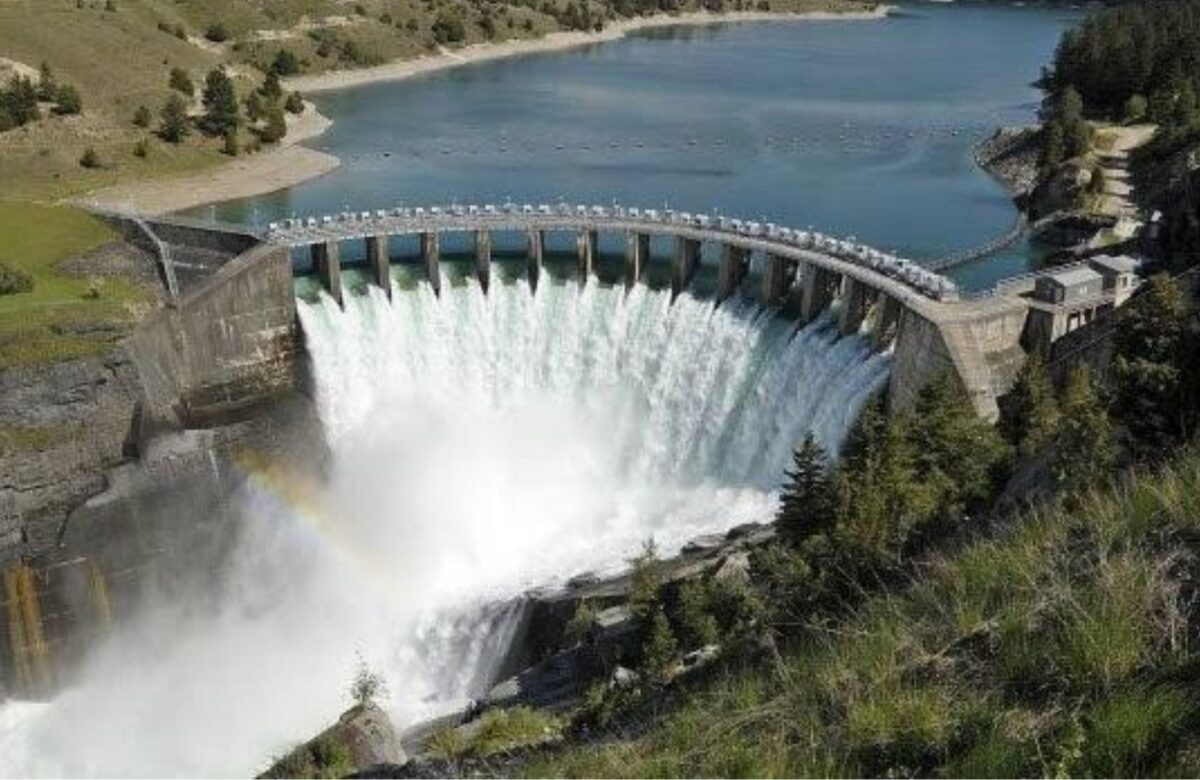
The Nigeria Hydrological Services Agency (NIHSA) has issued a warning about ongoing regulated water releases from Cameroon’s Lagdo Dam, which began on Tuesday, September 17, 2024, with an estimated flow of 100 million cubic meters per day, expected to impact high-risk states including Adamawa, Nasarawa, Kogi, Edo, Delta, Anambra, and Bayelsa along the River Benue system.

Advisors Reports gathered that the petroleum product supply chain in Nigeria faced challenges, including delays in transportation and distribution of refined products, exacerbating fuel shortages and increasing prices across the country.

Umar Ibrahim Mohammed, Director General/CEO of NIHSA, announced this in a statement obtained by Advisors Reports on Tuesday.

He emphasised that all tiers of government—federal, state, and local— particularly Adamawa, Taraba, Benue, Nasarawa, Kogi, Edo, Delta, Anambra, Bayelsa, Cross River, and Rivers, must take proactive measures to mitigate the risk of flooding.

“With the increase in flow levels of our major rivers during this period, it’s crucial that the affected states step up vigilance and preparedness,”

“Governments must deploy adequate measures to reduce the potential impacts of flooding,” Mohammed stated.

The NIHSA DG urged authorities across these regions to prioritize emergency response plans to prevent potential crises as water levels rise.

He further said, “The water release is expected to increase gradually to 1000m% in the next 7 days depending on the inflow from the upstream Garoua River which is the main feeder into the reservoir and a major contributor to the Benue River.

However, the dam managers further stated that the planned water releases will be gradual so as not to exceed the conveyance capacity of the Benue River system and cause major flooding downstream Nigeria.

He stated that the spilling of waters from Lagdo dam is expected to stop as soon as there is noticeable decrease in flow into the Lagdo reservoir.

The Agency therefore stated that there is no cause for alarm as major flooding is not expected downstream Nigeria as the flow levels along the river Benue are still within the warning levels.

It also stated that it will continue to closely monitor the flow situation of the transboundary river Benue and the national inland rivers and steadily provide regular updates on water levels across major rivers to forestall further flood disasters.

The flooding caused by Cameroon’s Lagdo Dam in 2023 significantly disrupted Nigeria’s energy infrastructure, leading to power shortages due to the loss of hydroelectric generation capacity and damage to transmission lines

Minister of State for Petroleum Resources (Gas) dismisses Dangote Group’s claims of neglect in 1,200km subsea gas pipeline project

Previous post

NLNG reaffirms commitment to emissions reduction, sustainable energy development 

Next post

Leave a Reply Cancel Reply

Your email address will not be published. Required fields are marked *

© 2024 - 2025 | Alrights reserved