MEMAN says fuel subsidy removal sparks new downstream business models, including Energy-as-a-Service, Multi-energy hubs, VPPs
… challenges players to expand investments into battery storage, LPG CNG infrastructure
Oredola Adeola
The Major Energy Marketers Association of Nigeria (MEMAN) says the removal of fuel subsidy has ushered in a new era of deregulation in the downstream sector, paving the way for innovative business models such as Energy-as-a-Service (EaaS), integrated multi-energy hubs, Virtual Power Plants (VPPs), and peer-to-peer (P2P) energy trading.
The association has therefore urged industry leaders to adopt strategic investments, partnerships, and digital solutions to enhance competitiveness, improve efficiency, and support Nigeria’s drive toward a balanced and sustainable energy future.
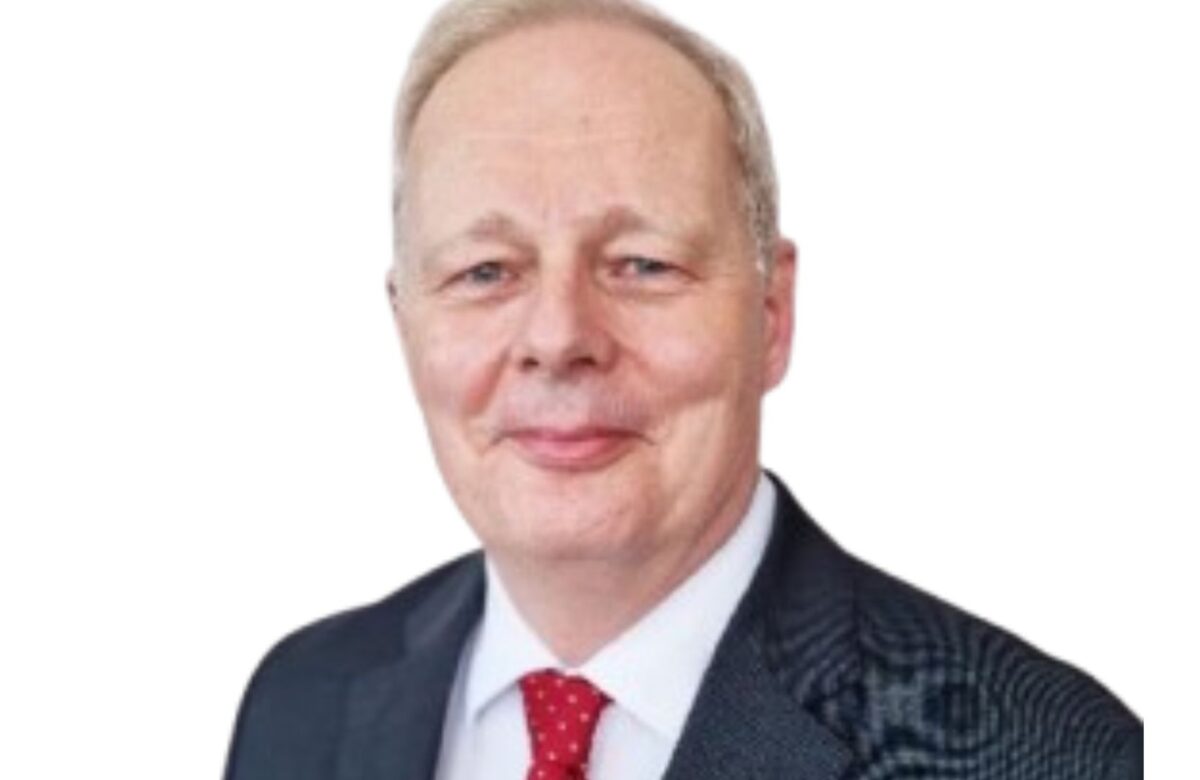
Mr. Huub Stokman, Chairman of the Major Energy Marketers Association of Nigeria (MEMAN), stated this at the OTL Downstream Week 2025 while speaking on the panel themed “Navigating the New Frontier: Competition and Market Access in the Downstream Oil & Gas Industry.”
Stokman noted that the current downstream landscape has significantly evolved with the entry of the Dangote Refinery, which he said is reducing Nigeria’s import dependence and reshaping local supply dynamics.
“We are witnessing a redefined downstream environment. Policymakers are now recognising gas as a cleaner transition fuel, with rising demand for CNG and LNG.
“At the same time, the industry is adopting sustainable and digital technologies — including solar, biofuels, and advanced monitoring tools, to improve efficiency and enhance service delivery,” he said.
He, however, stressed that greater regulatory clarity and stability are still required to reduce investment risks and drive long-term growth.
According to him, significant capital is needed across refining, storage, distribution, and low-carbon infrastructure to support Nigeria’s energy goals.
Stokman described Africa’s evolving energy landscape as a “dual reality,” one that must simultaneously tackle energy poverty, affecting over 600 million people—and the global energy transition.
“We must manage both traditional fossil fuels and the accelerated adoption of renewables. Natural gas—whether LNG, LPG, or CNG—remains a critical transition fuel for Africa, providing a cleaner alternative to heavy fuels and biomass, and supporting industrialisation and access to energy,” he explained.
He added that decentralisation and digitalisation are reshaping the market, with renewable energy technologies driving distributed energy systems that can reach underserved populations.
“The biggest frontier is addressing the 600 million people without access to energy. This represents a massive high-growth market for decentralised renewable energy solutions,” Stokman said.
Stokman also called for regional energy integration through cross-border gas pipelines and harmonised regulatory frameworks within ECOWAS and SADC, to overcome single-country supply vulnerabilities and achieve economies of scale.
He urged stakeholders to invest beyond oil and gas—into Battery Energy Storage Systems (BESS) and infrastructure for alternative fuels such as specialised LPG bottling plants and CNG compression stations.
Stokman charged industry players to adopt pay-as-you-go distribution channels, local micro-depots, and data-driven maintenance and monitoring tools to cut operational costs and boost efficiency.
“Companies must pursue cross-border joint ventures, strategic acquisitions, and partnerships with financiers and technology providers.
“The priority should be green hydrogen, decentralised solar in resource-endowed countries, and expansion into BESS as a service—offering bundled LPG, CNG, and hydrogen solutions that increase customer lifetime value,” the MEMAN Chairman said.