Post-U.S. strike on Iran: Brent oil price climbs $79.45 on Sunday, drops to $76.75 by Monday
…oil markets unshaken as Iran votes to block Hormuz, Khamenei’s approval uncertain
Oredola Adeola
Brent crude oil prices climbed by 3.17% to $79.45 per barrel on Sunday but retreated to $76.75 per barrel on Monday, following a U.S.-led B-2 bomber strike on Iran’s Fordow, Natanz, and Esfahan nuclear sites.
Meanwhile, West Texas Intermediate (WTI) was also down to $76.59 per barrel on Monday, from $97.05 earlier on Sunday.
While oil prices saw an uptick, the movement has not reflected the kind of panic or sustained spike that geopolitical analysts had predicted.
Advisors Reports noted that the market’s subdued response showed how energy markets have become increasingly insulated, in the face of heightened tensions and Iran’s parliament voting to close the Strait of Hormuz in response to the attacks.
However, it remains unclear whether Ayatollah Khamenei, Iran’s Supreme Leader will veto the parliamentary decisions.
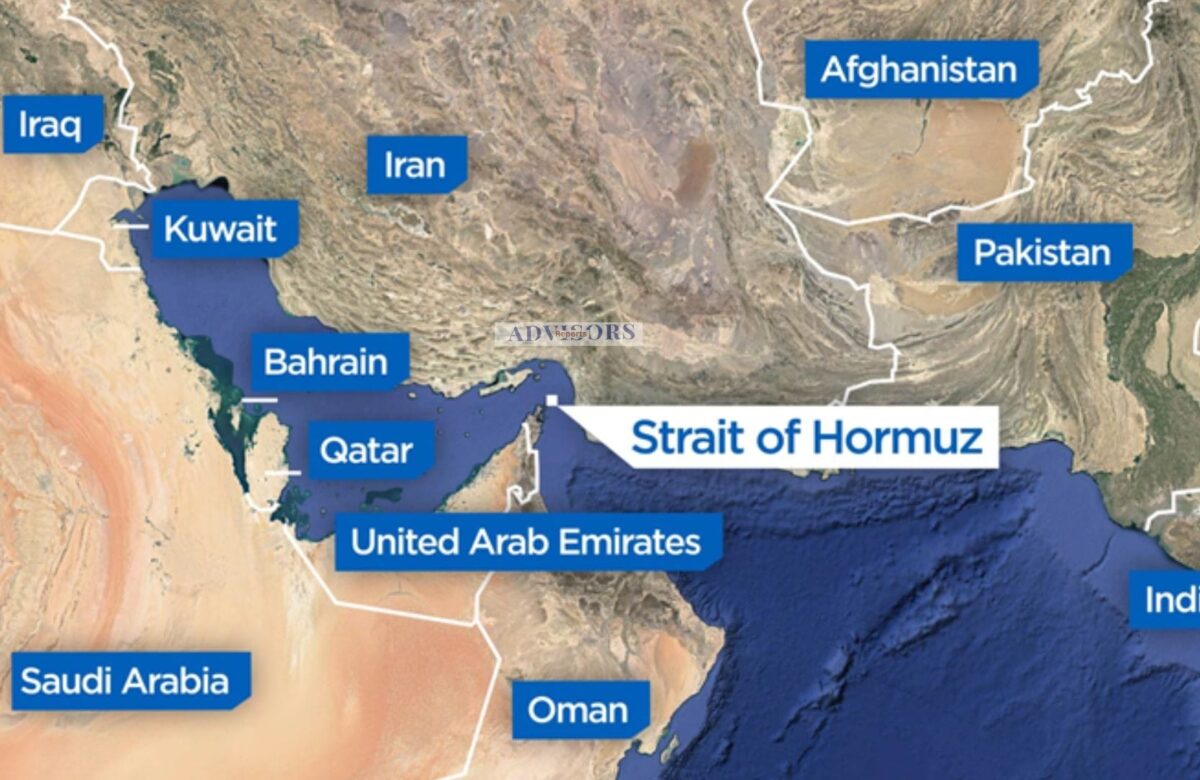
The Strait of Hormuz, a narrow but vital maritime route linking the Persian Gulf to the Indian Ocean, typically sees nearly a quarter of global oil trade pass through it.
Any disruption to this flow has the potential to trigger global economic shockwaves, including inflation and slowed growth.
Traffic in recent times declined dramatically compared to earlier in June, with cargo-carrying vessels transiting the Strait dropping from 147 on June 9 to about 111 by June 15.
However, as of now, shipping activity remains largely unchanged, although with noticeable caution.
This development suggested caution among shipowners amid Israel-Iran drone and missile strikes, limpet mines, and electronic warfare like GPS jamming and AIS spoofing.
AIS data showed about a dozen ships operating in or near the Hormuz traffic separation scheme in the early hours of June 23, almost all eastbound.
However, heavy GPS jamming and AIS interference are reported, causing some vessels to operate “dark” (with AIS off) and making precise tracking difficult.
Maritime trackers during the weekend reported that hundreds of vessels continue to transit the strait, but Western-flagged ships have conspicuously withdrawn.
Only one U.S.-flagged vessel has been spotted, docked within a Gulf military base.
French and Italian vessels have turned back and remain anchored since the U.S. strike.
No active Western commercial traffic has passed through the strait since 17:13 CET on Sunday, June 22.
Further checks by Advisors Reports, as of Monday, June 23, 2025, showed that the Strait of Hormuz remains open to commercial shipping, including Western commercial traffic, but the volume and behaviour of vessels have been significantly affected.
Japanese shipping companies Nippon Yusen and Mitsui O.S.K. Lines have instructed their vessels to minimize time spent in the Gulf while transiting the Strait.
Two supertankers capable of carrying about 2 million barrels of crude each made U-turns in the Strait on Sunday, after the U.S. airstrikes on Iran.
This quiet retreat from the strait by Western vessels suggests a form of strategic maritime deterrence, without outright declarations of conflict.
Analysts have called it “silent coercion”, a message from Tehran that the strait remains technically open, just not to certain actors.
JPMorgan analysts warn that in a worst-case escalation, Brent prices could surge to as high as $130 per barrel, particularly if disruptions intensify.
“Oil will open higher,” said Mark Spindel of Potomac River Capital, adding that uncertainty surrounding Iran’s next move and the extent of infrastructural damage continues to hang over the markets.
Recall that on June 17, 2025, the oil tanker Adalynn collided with the Very Large Crude Carrier (VLCC) Front Eagle approximately 24–25 nautical miles off the coast of the United Arab Emirates in the Gulf of Oman, near the Strait of Hormuz.
The collision was officially attributed to navigational errors rather than direct security-related actions.
However, this incident occurred amid widespread and intense GPS and AIS electronic interference in the region, which has been described as electronic warfare.
The jamming caused ships’ navigation systems to display incorrect positions, leading to confusion and an increased risk of accidents.